Sleep
Safe Sleep and the Soft Things Around It
What the AAP and the federal safety agency ask of parents about swaddles, bassinet sheets, nursing pillows and loungers, and where Owlowla pieces fit in.
Published 19 September 2026 · Prices updated 19 September 2026
This guide is general information, not medical advice. Your pediatrician knows your baby, so ask them about anything specific.
A good part of what we make sits close to a sleeping baby: swaddles, bassinet sheets, covers for nursing pillows and loungers. Soft is the point of all of them, and soft is exactly what the safe sleep rules are careful about.
So before you pick a print, here is what the American Academy of Pediatrics and the U.S. Consumer Product Safety Commission ask of parents, in their own words, and what that means for each Owlowla piece.
Back to sleep, and when the swaddle comes off
Swaddling calms a lot of newborns. The AAP's advice is simple: a swaddled baby sleeps on their back and is watched so they cannot roll onto their front.
If babies are swaddled, they should be placed only on their back and monitored so they don't roll over.
The harder part is knowing when to stop. The AAP points out that some babies start working on rolling as early as two months, and every baby is different. The rule is about the baby in front of you, not a date on the calendar.
Stop swaddling as soon as your baby shows any signs of trying to roll over.
Thin fabric, loose hips
Our knit swaddles are thin on purpose, and the AAP asks for exactly that. The same page warns that babies wrapped too tightly around the legs can develop hip problems, so leave room for the knees to bend up and out.
Use only a thin blanket for swaddling.
Nothing in the bassinet but the sheet
The CPSC keeps this one short. A bassinet sheet should fit the pad tightly, with no slack that can bunch up near a face. Ours are cut for pads up to 32 by 16 by 3 inches, and a sheet that pulls loose on your pad is the wrong size for it.
Do remember "Bare is Best" - nothing but a fitted sheet in a crib, bassinet or play yard.
A loose blanket is the other half of the same rule. The AAP notes that even a swaddle that comes unwrapped counts as loose bedding.
A loose blanket, including a swaddling blanket that comes unwrapped, could cover your baby's face and increase the risk of suffocation.
- A fitted sheet that sits tight on the pad
- The baby, on their back
- Blankets, including an unwrapped swaddle
- Pillows, nursing pillows and loungers
- Soft toys
Nursing pillows are for feeding
A nursing pillow holds the baby at the breast or the bottle and takes the strain off your arms. In 2024 the CPSC approved a federal safety standard for them after counting infant deaths, most among babies younger than three months.
Never use nursing pillows for infant sleep or lounging.
Night feeds make this hard to follow, so the agency spells out what to do when someone dozes off.
If the baby falls asleep while nursing/feeding, or if you start to feel like you might fall asleep, transfer the baby to a safe sleep space.
Loungers are for awake time on the floor
Later in 2024 the CPSC approved a standard for infant support cushions, and its list of those products starts with infant loungers. A lounger cover keeps the cushion clean. It does not change what the cushion is for.
Never use infant support cushions for infant sleep or naps.
The same release asks parents to stay near and watch the baby, keep blankets away from the cushion, and keep it off soft surfaces.
Only use an infant support cushion on the floor.
Where each Owlowla piece belongs
Put together, the rules sort our range cleanly. The table below is the short version to keep on the fridge.
| Owlowla piece | Where it belongs | Never for |
|---|---|---|
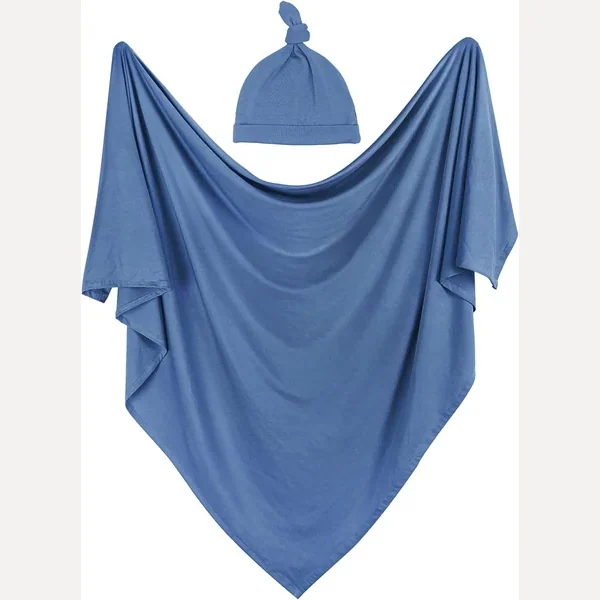
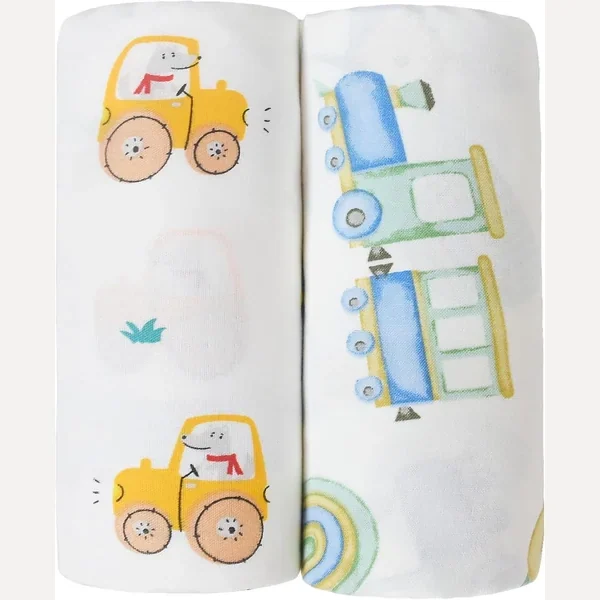
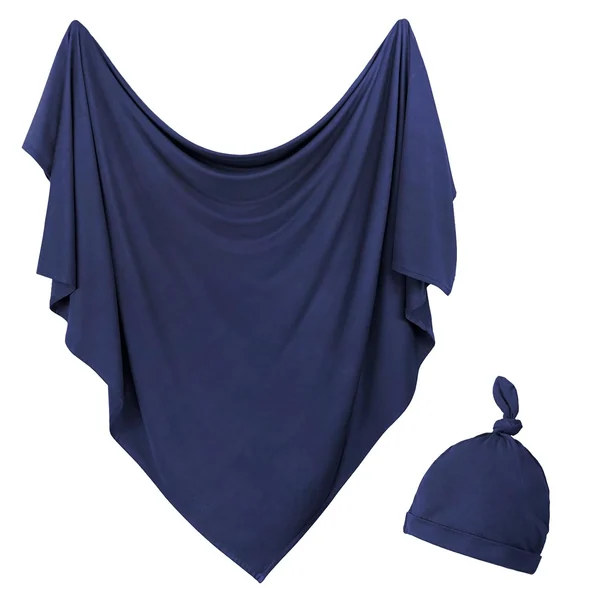
| Stretch knit and muslin swaddles | On a baby sleeping on their back, until they try to roll | Babies who roll, or as a loose blanket in the crib |
| Minky bassinet sheets | On a bassinet pad up to 32 × 16 × 3 in, fitted tight | Any pad it does not fit snugly |
| Nursing pillow covers | On the pillow, while you feed | Sleep, lounging, or inside a crib or bassinet |
| Newborn lounger cover | On the lounger, on the floor, with you watching | Sleep or naps, beds, sofas or cribs |
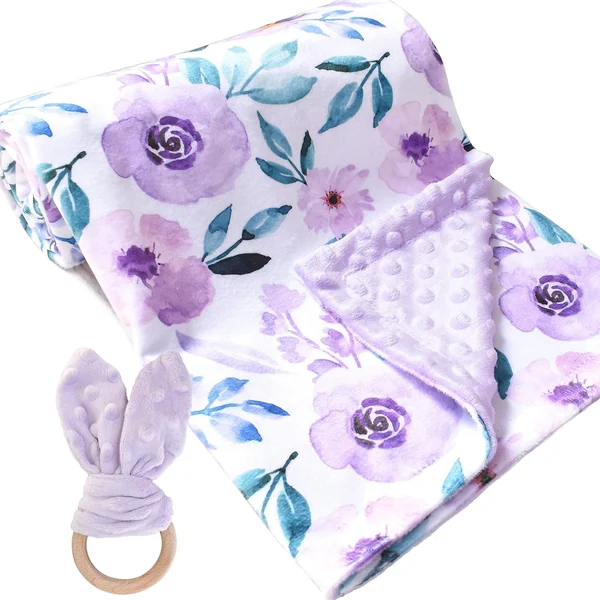
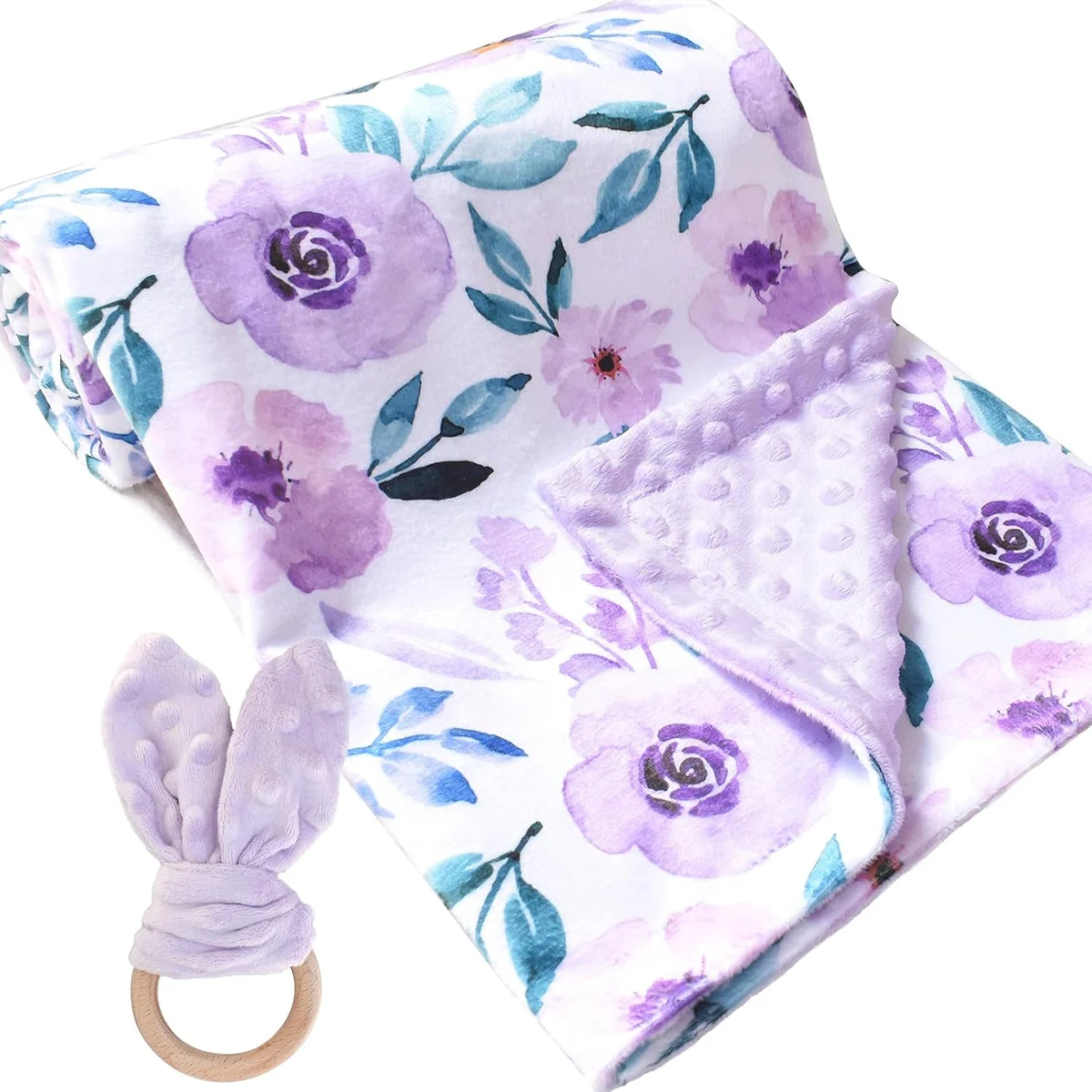
| Double-layer minky blanket | The stroller, and play time on the floor | A sleeping baby's crib or bassinet |